| |
The style of the Habanera was born in Cuba a centuary ago as a descendant rythm of the european country-dance, known in the island since the XVII centuary. The country-dance was an English dance from England in the XVI centuary. Cuban musicians adapted new rythms fomulae in the original melodic structure influenciated by negroes caribean tradition. These would be soon in the spanish metropolis. Cuba already owned rythms and singable songs which were so popular. The roots are in the Spanish romances of the of the XIV centuary, brought to the island as a result of the Spanish influence. The professional musicians of the country knew how to develop a Son, Danzones, Country-dances and finally Habaneras. It’s believed that Manuel Samuell composed the first Habanera in 1870. The expansion of the Habanera expressed the musical feeling of the time. The Habanera shared in our country the popularity with the old songs, of tender taste, and other which were pinctoresc and funny. The new rythm mixed with the partitures of the Zarzuela.
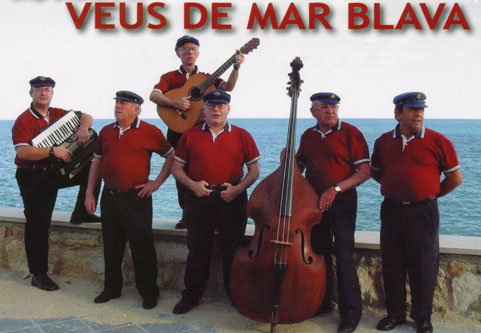
It’s curious to see that those people, rude, shaped by the sea and without musical knowledge, could sing at three voices, by hearing and with so much sensibility. Their songs were of varied styles, but the nostalgia of many sailors that were in Cuba, made of the Habanera the most popular rythm. The songs were learnt using only ears and the lyrics using only memory. This is the reason why there are so many versions. The tavern’s song was a way to understand the long winter nights, specially
in small villages of difficult access like the ones in the Costa Brava.
|

