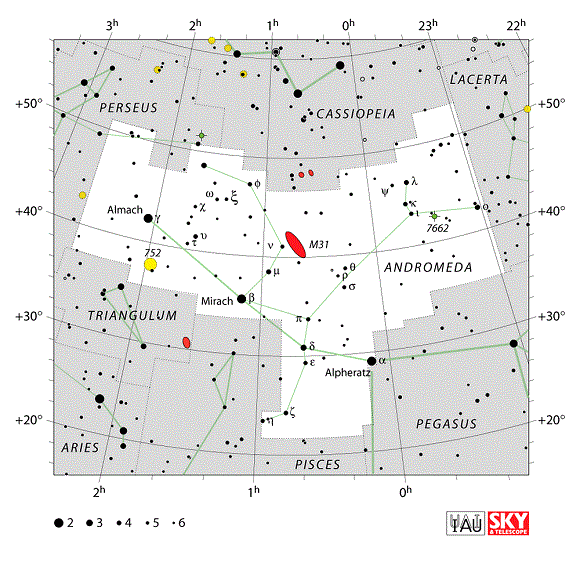
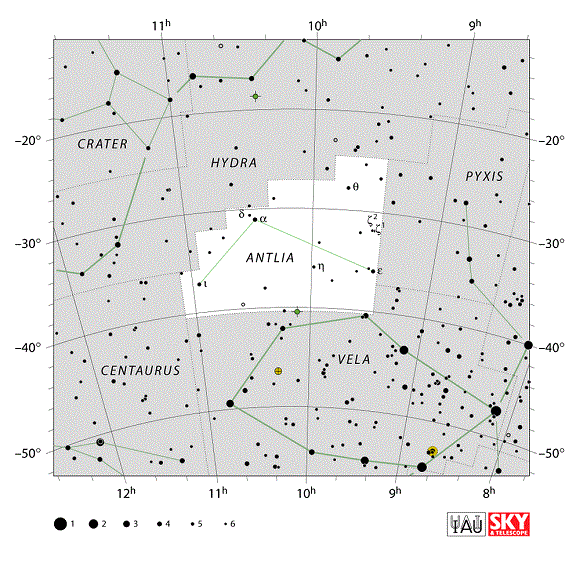
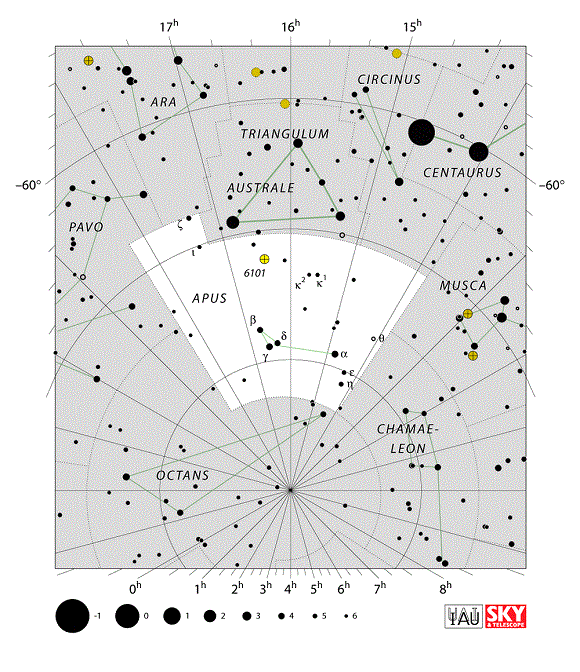
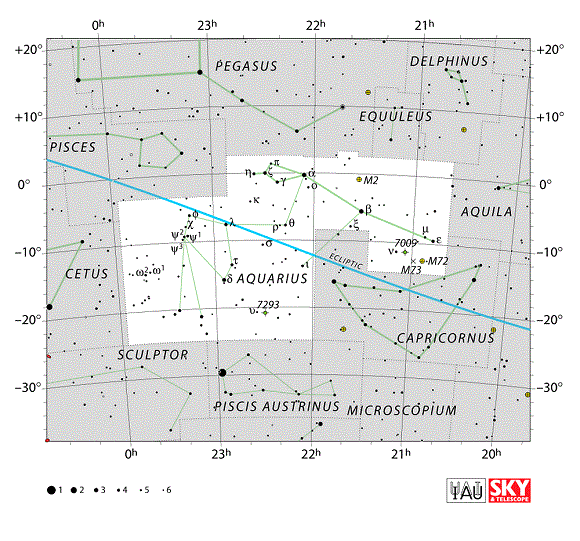
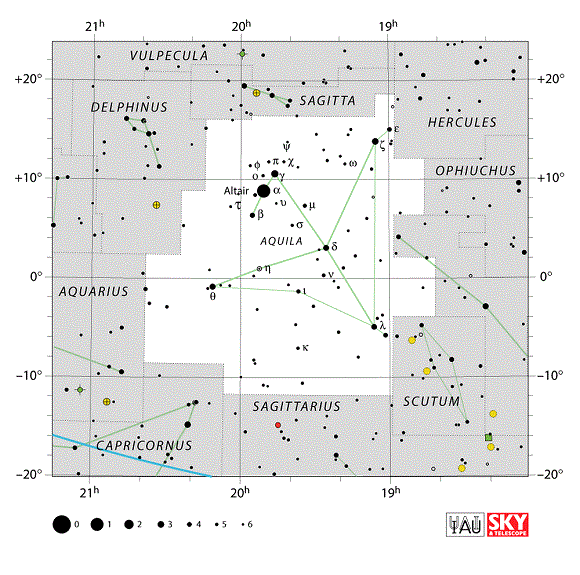
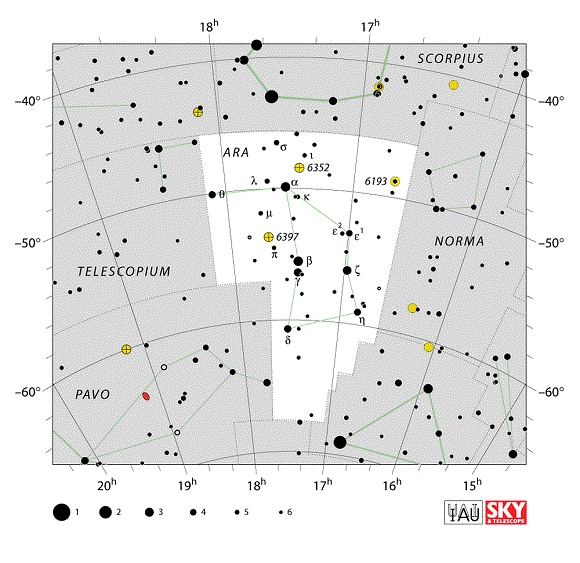
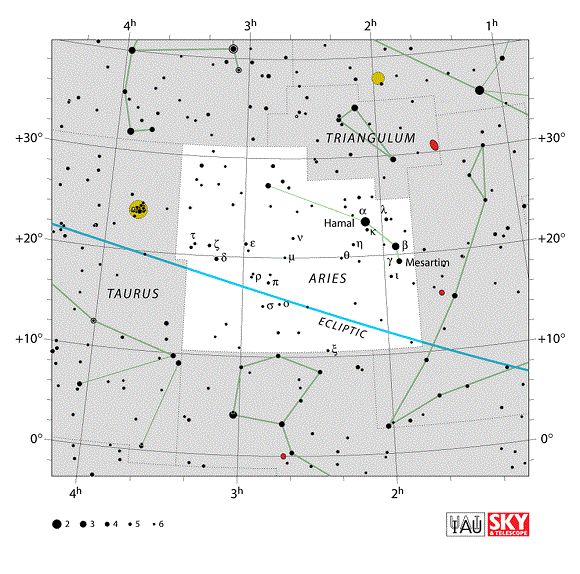
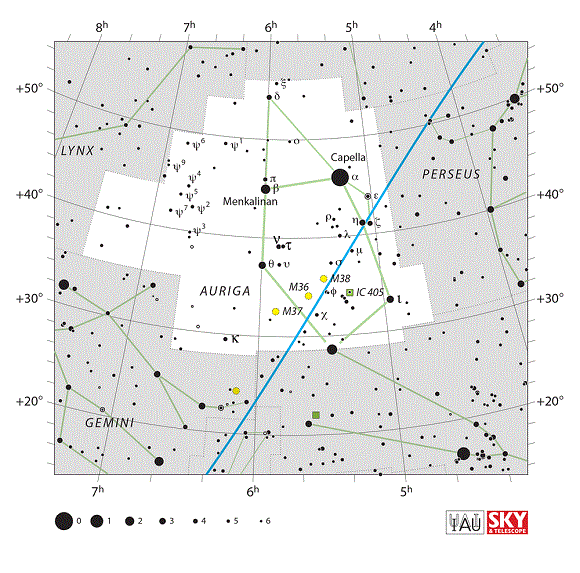
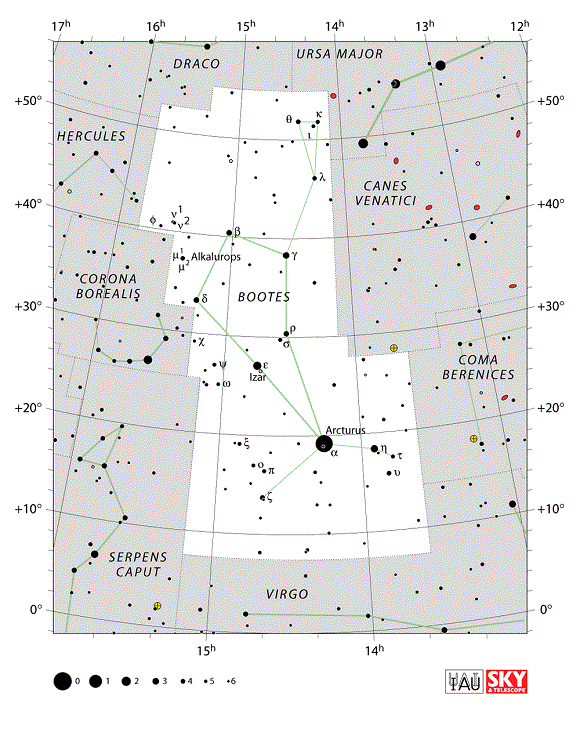
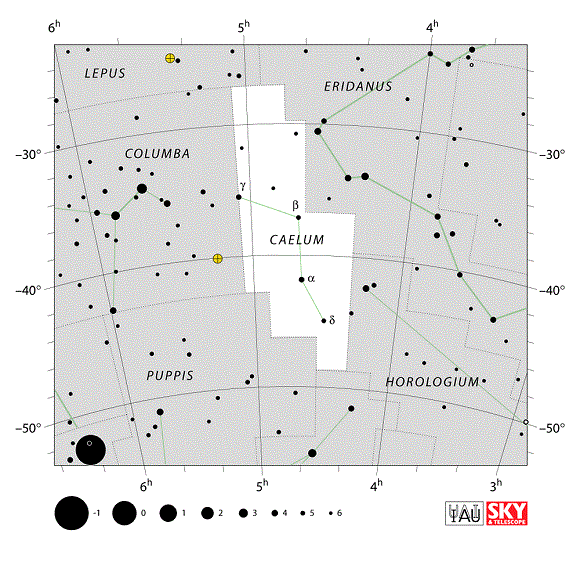
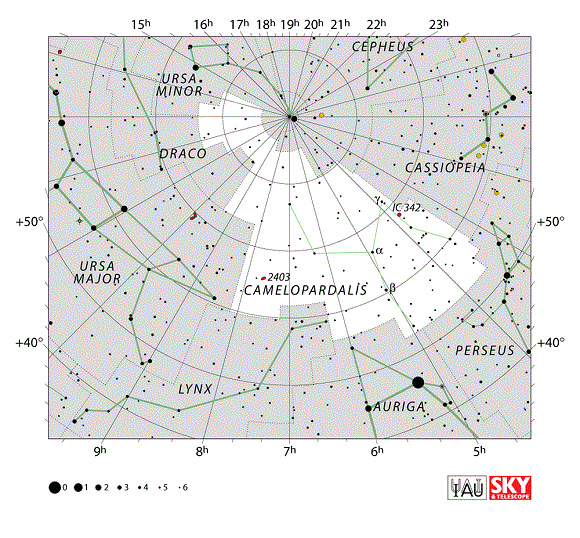
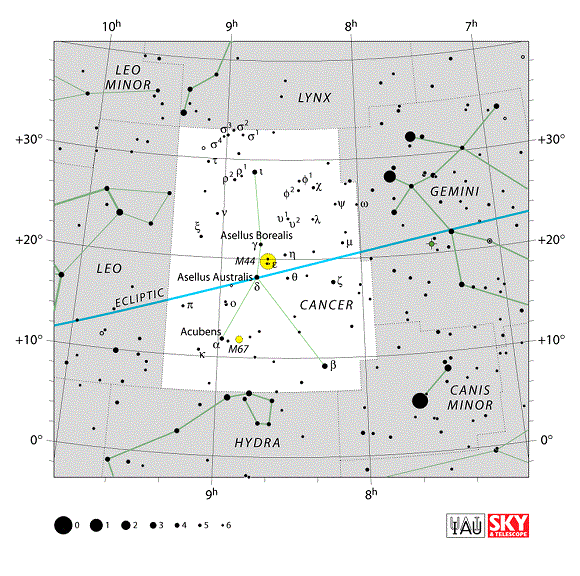
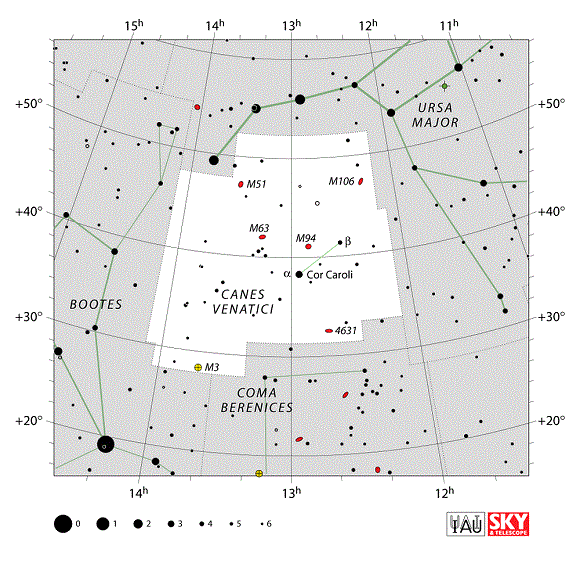
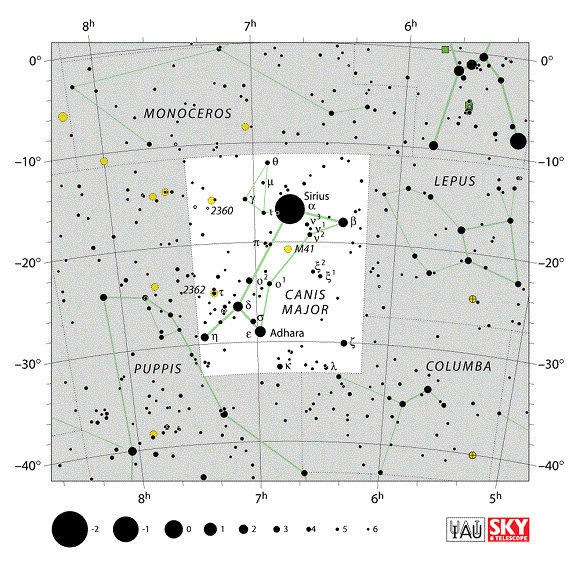
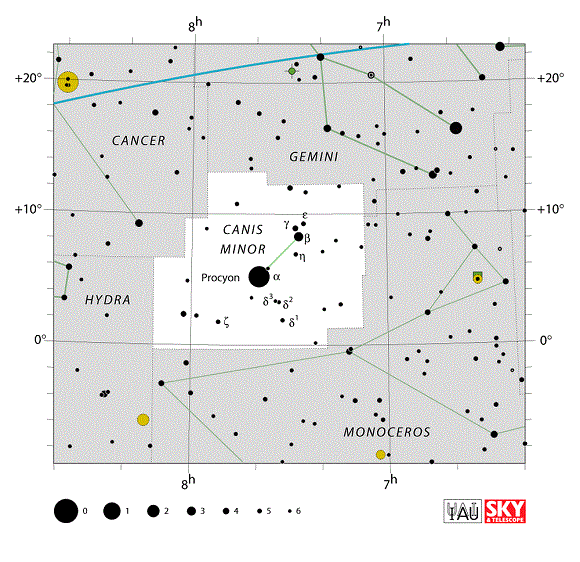
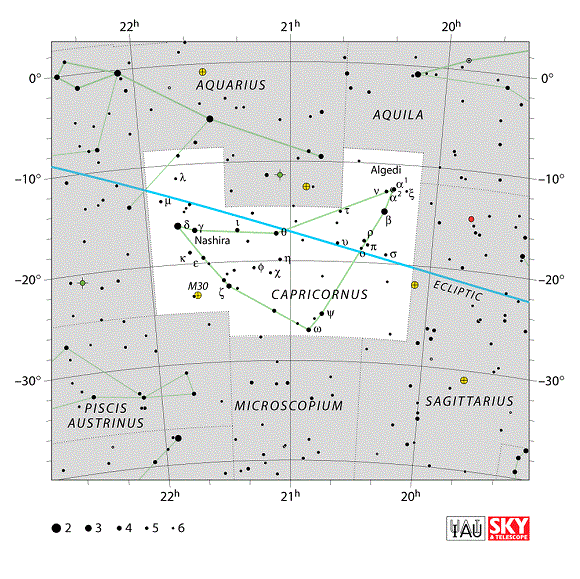
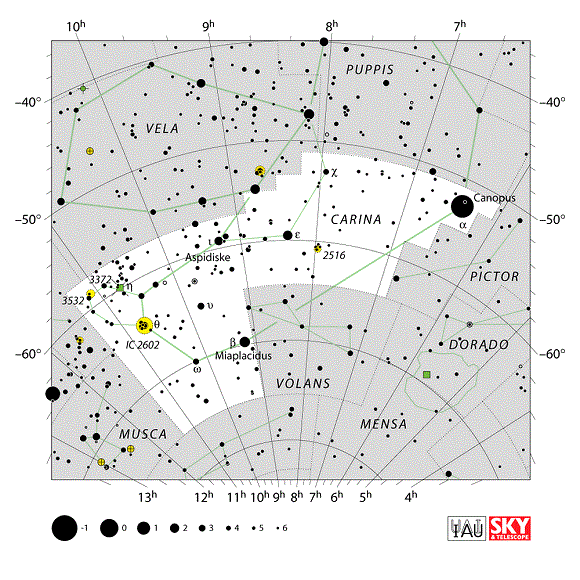
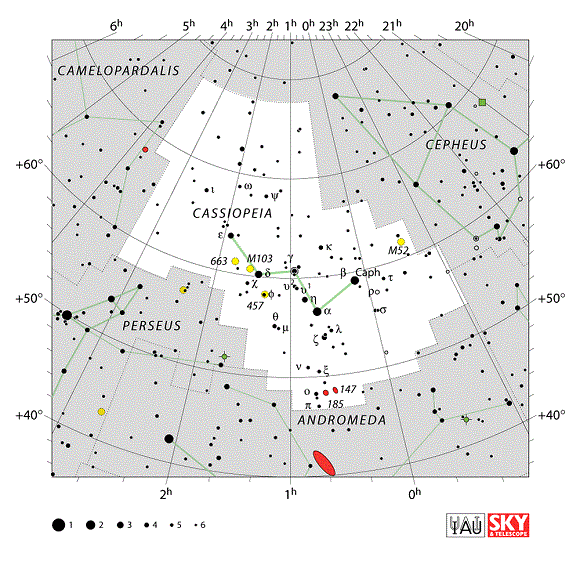
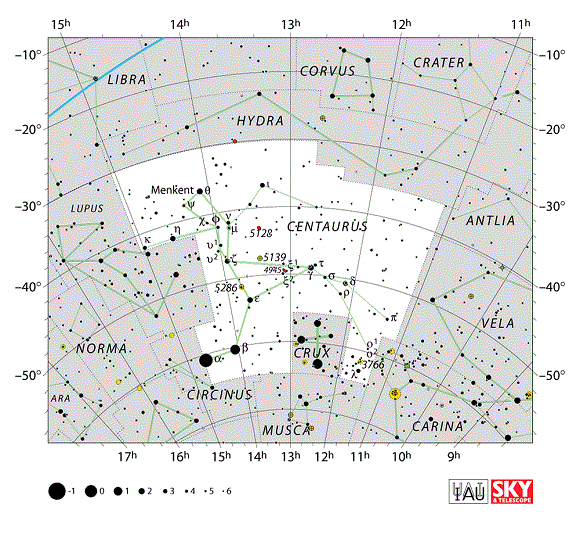
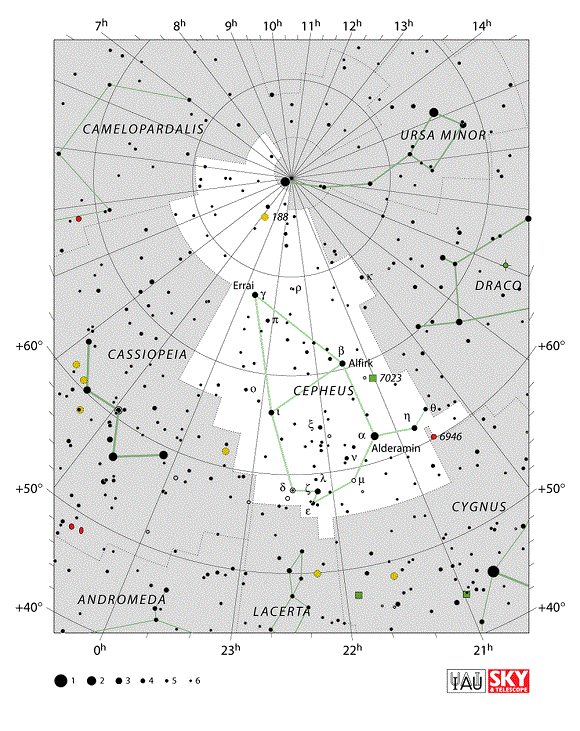
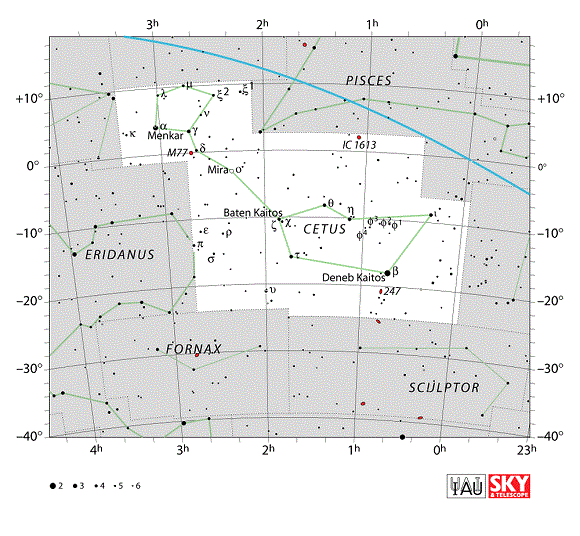
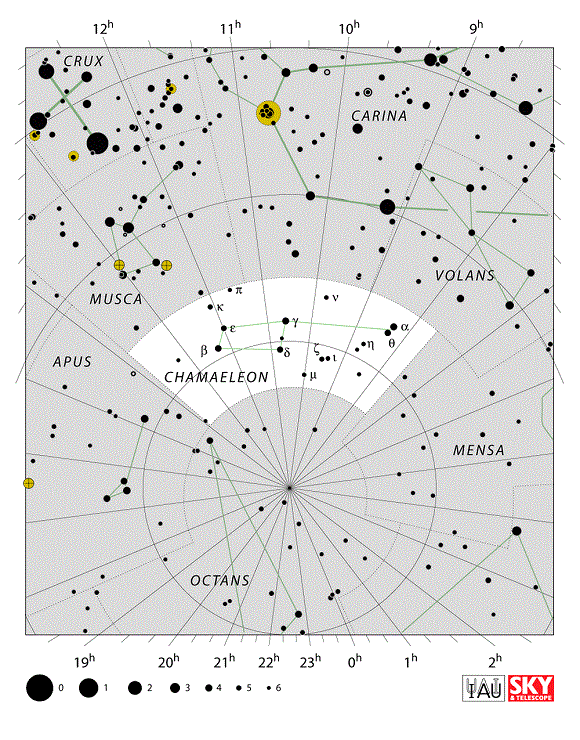
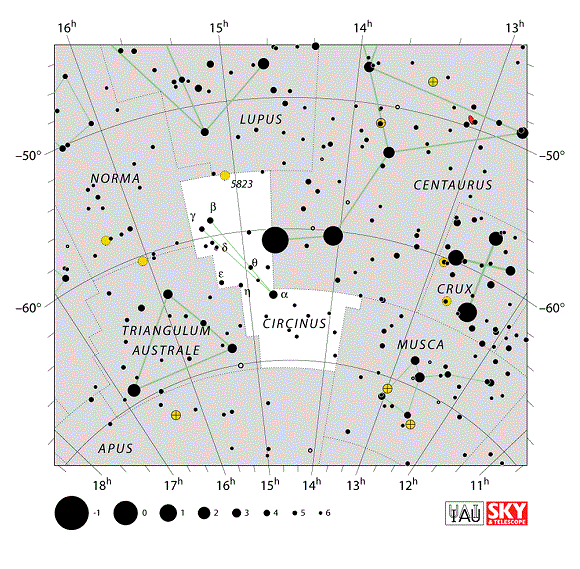
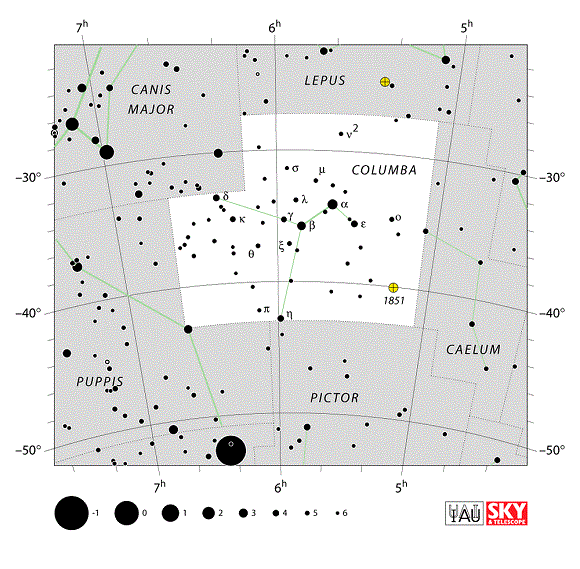
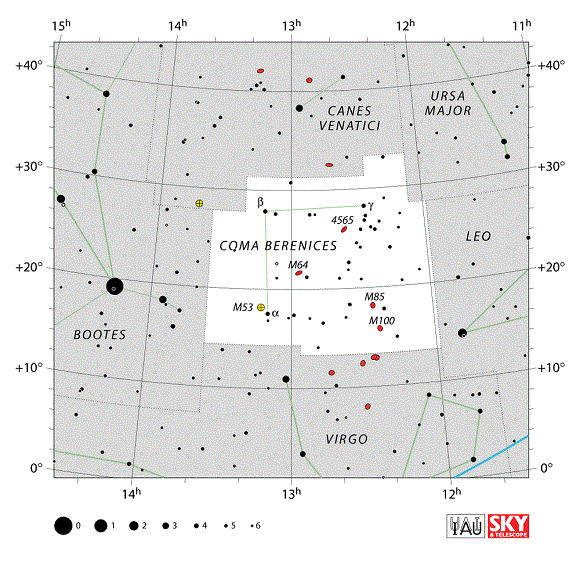
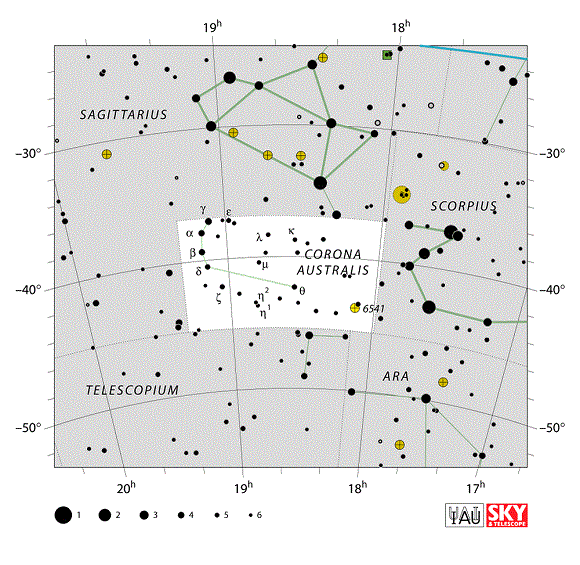
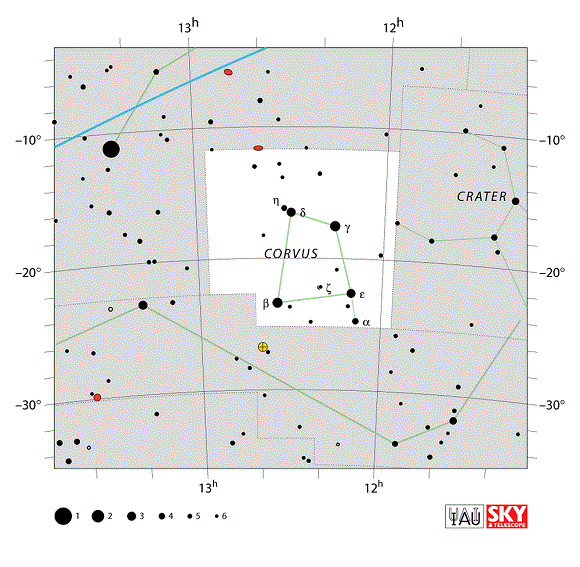
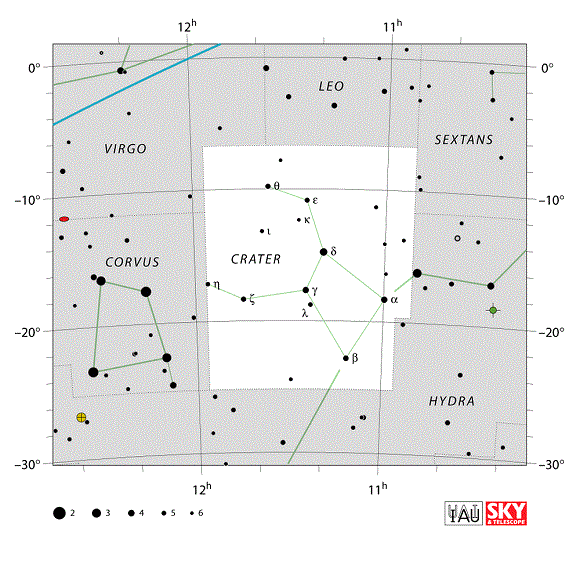
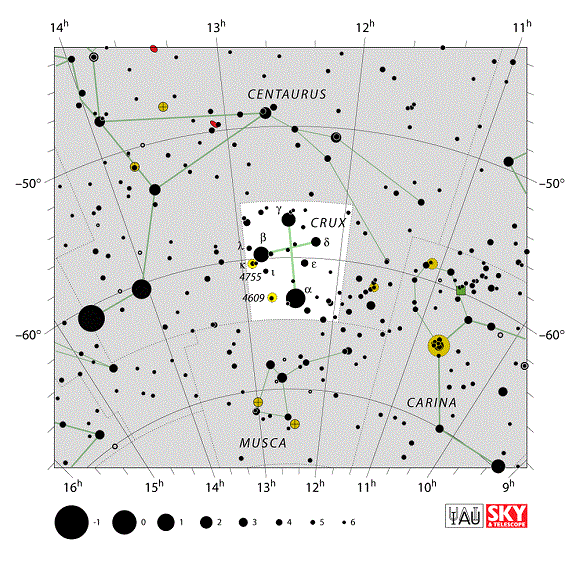
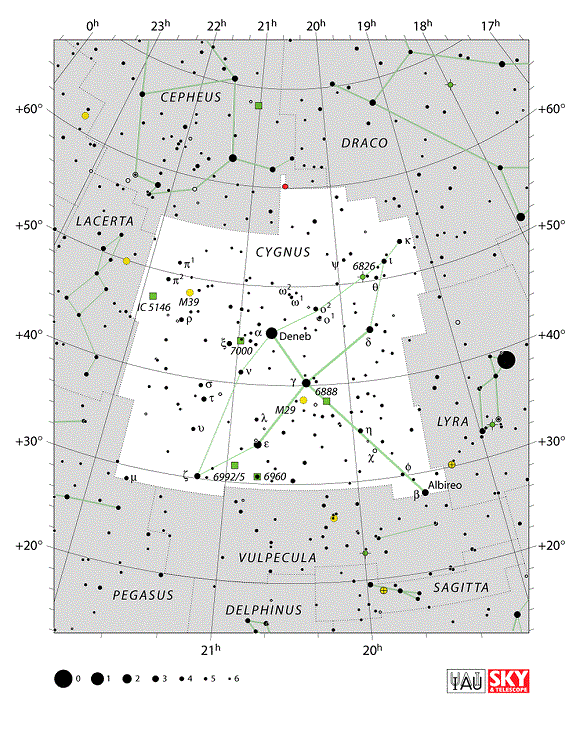
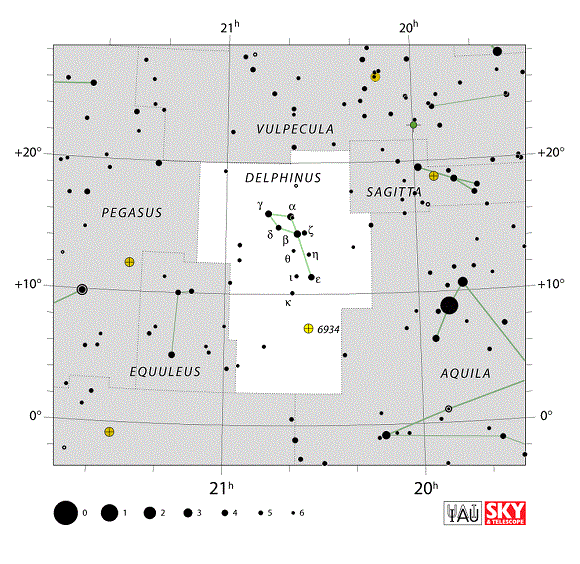
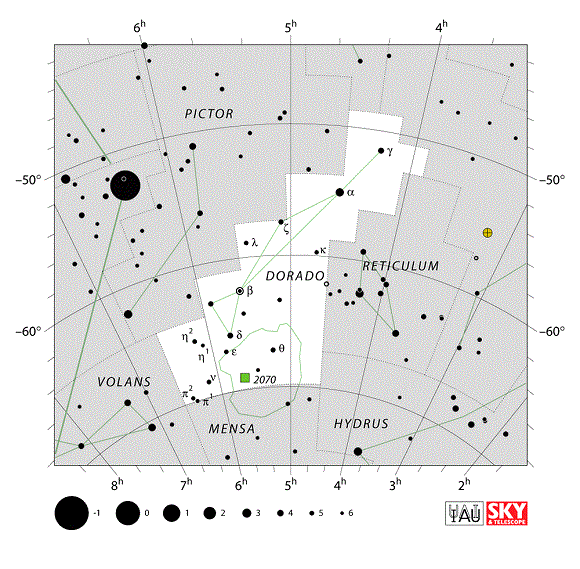
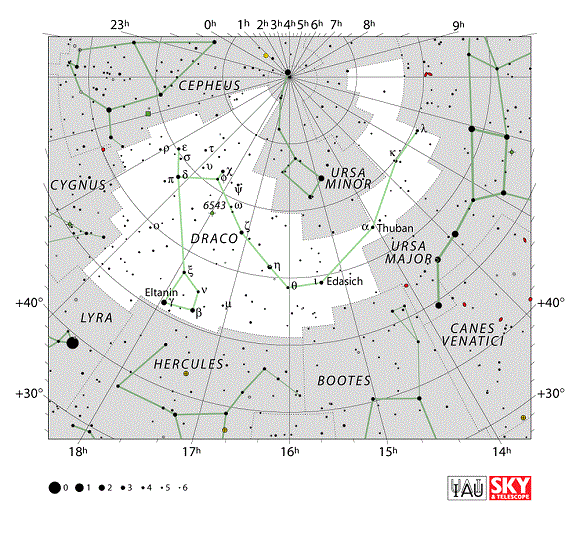
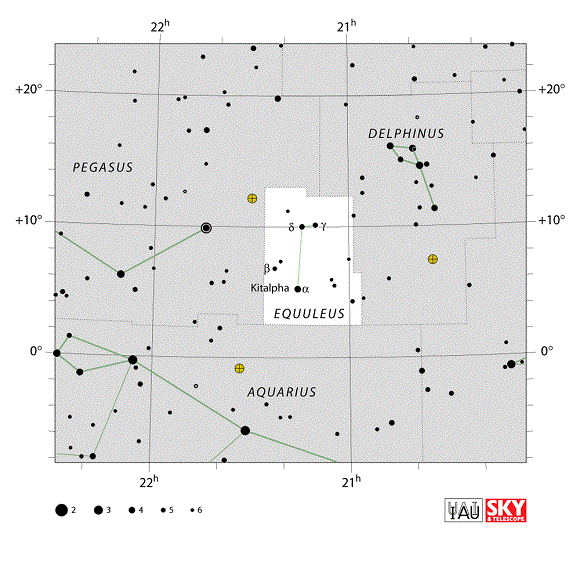
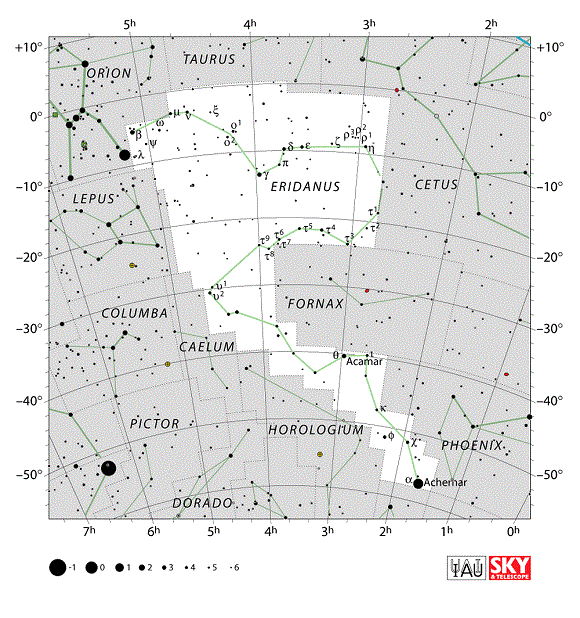
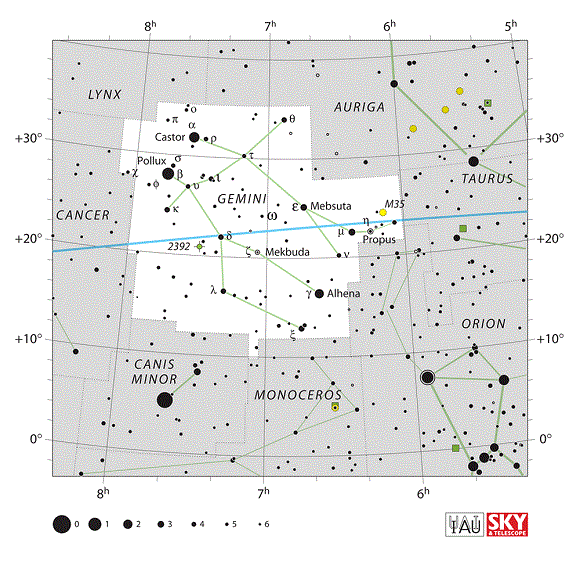
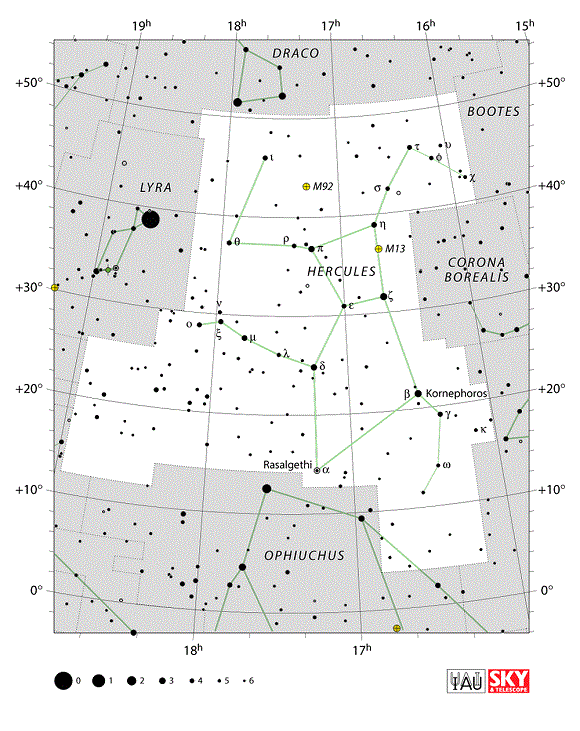
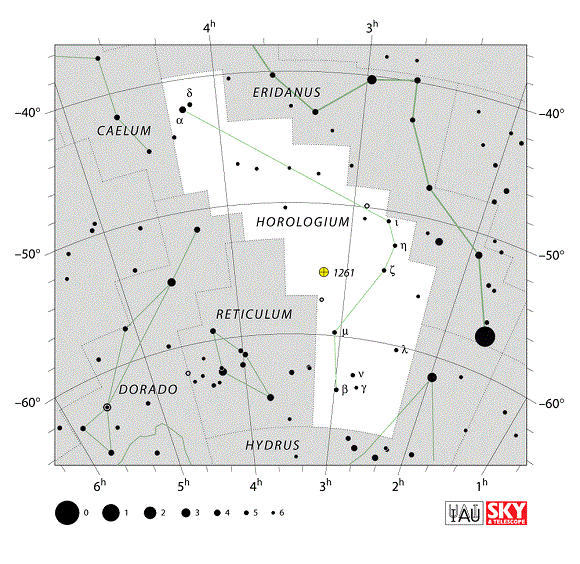
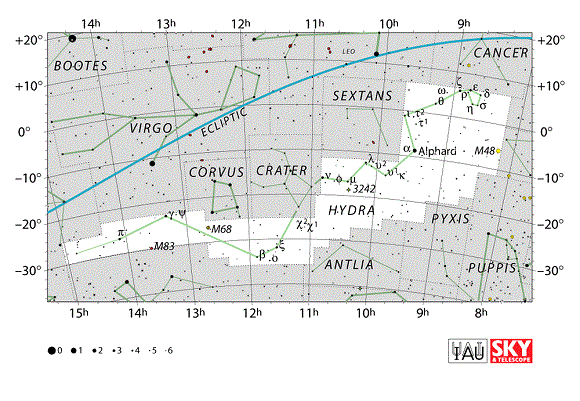
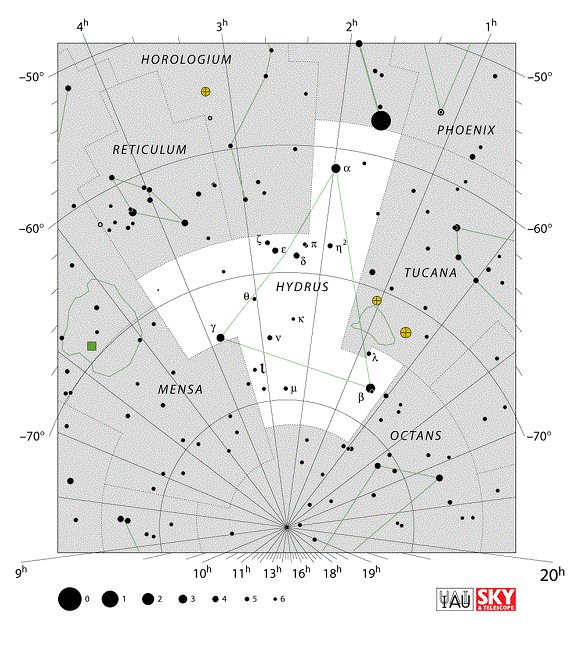
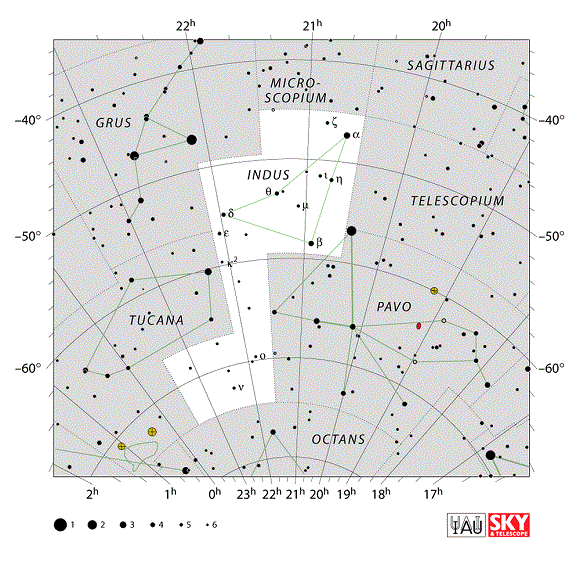
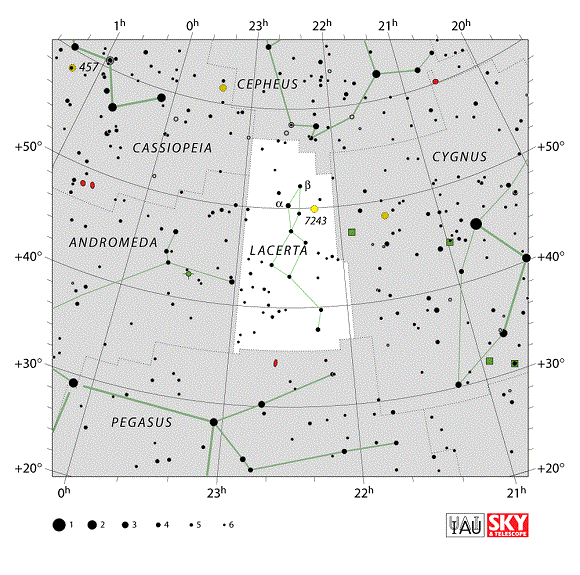
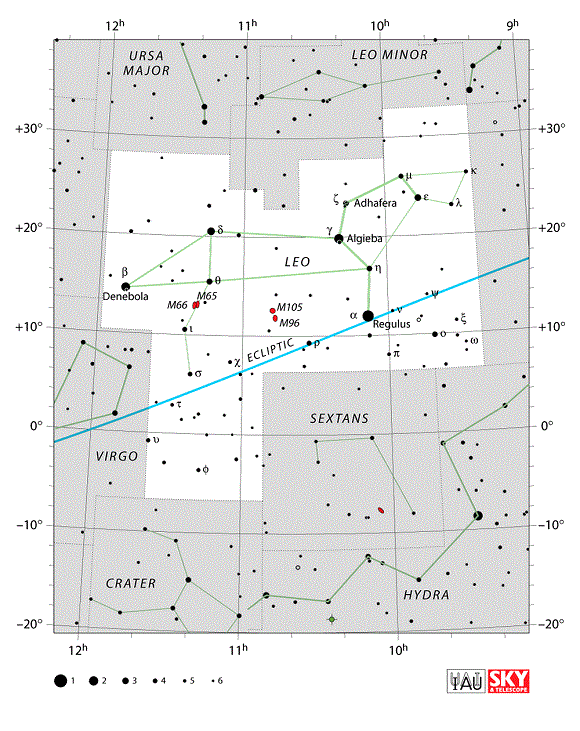
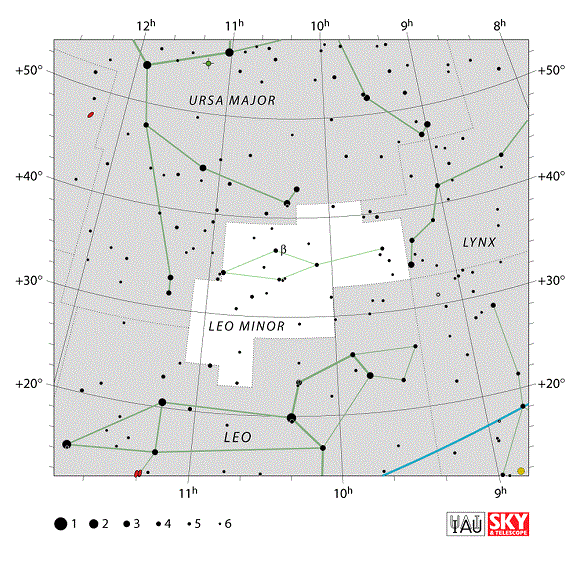
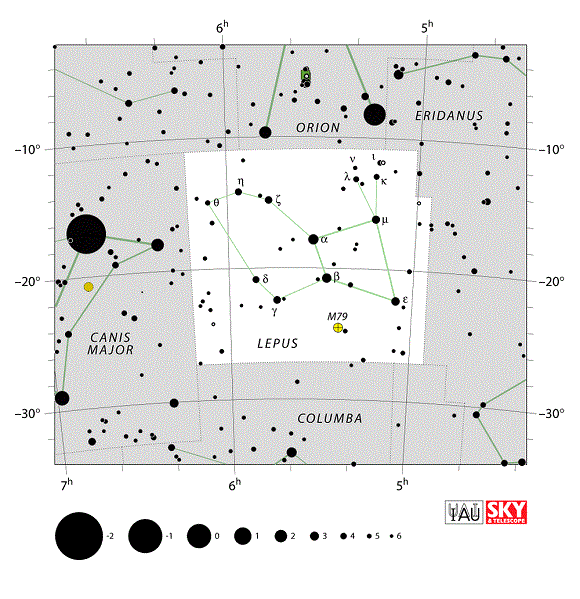
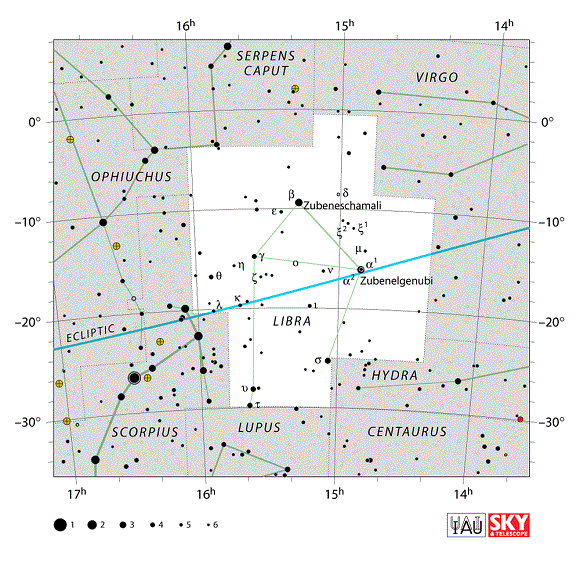
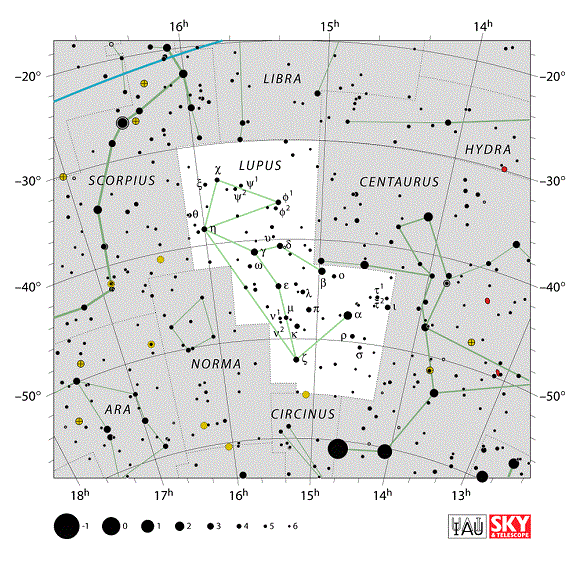
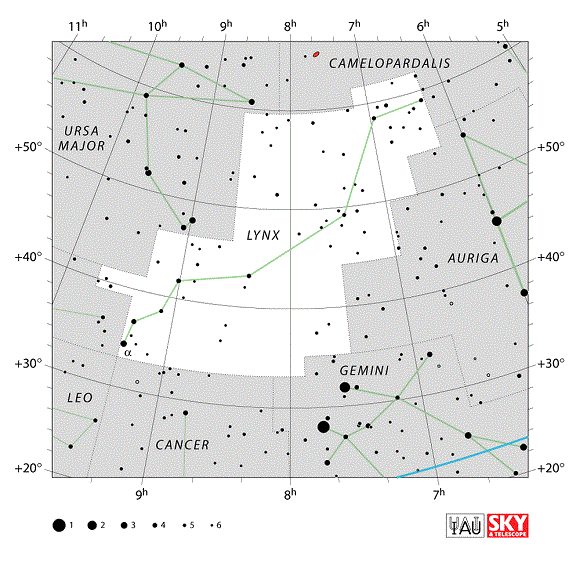
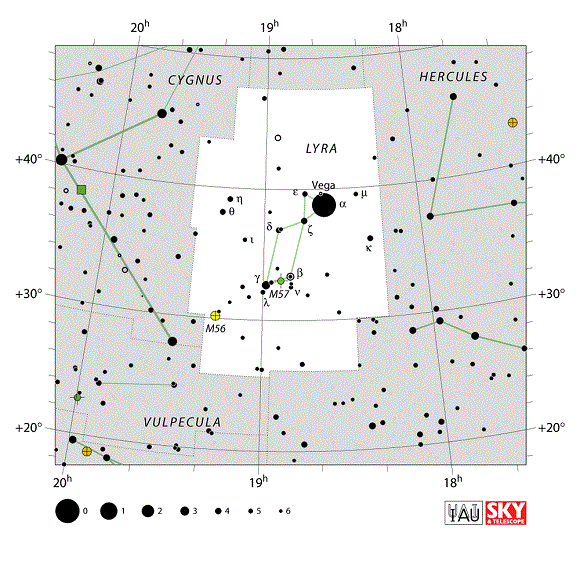
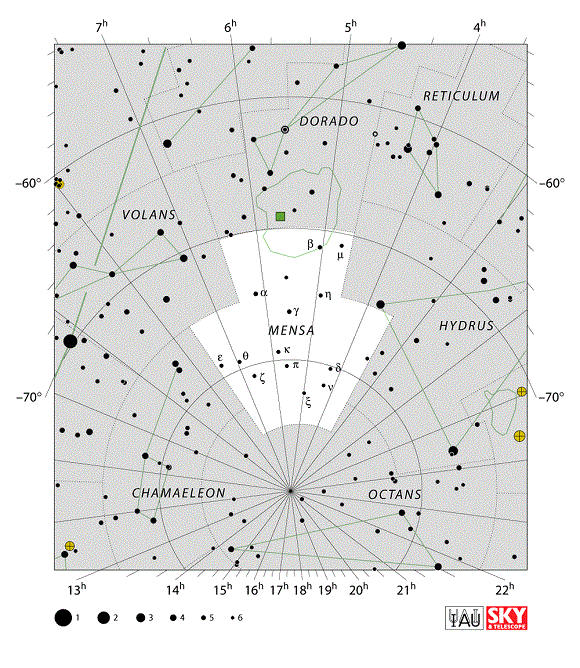
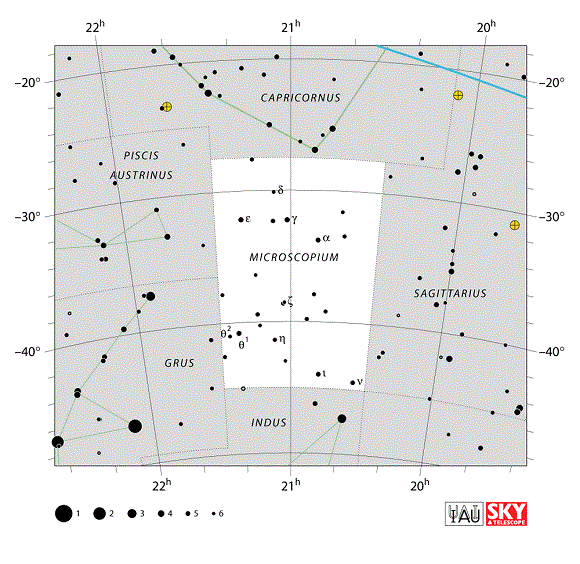
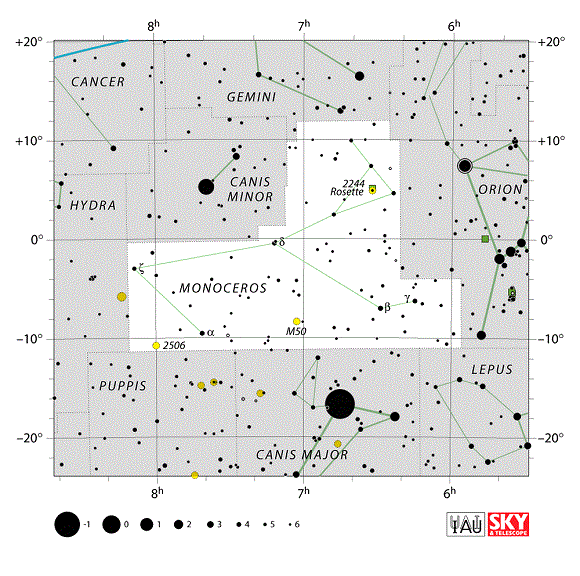
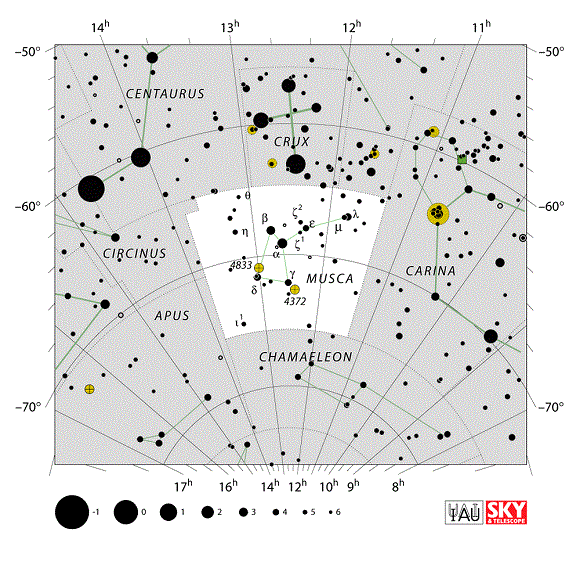
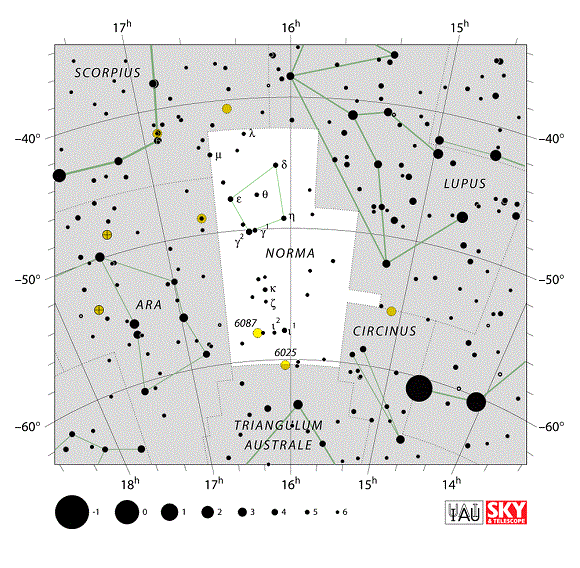
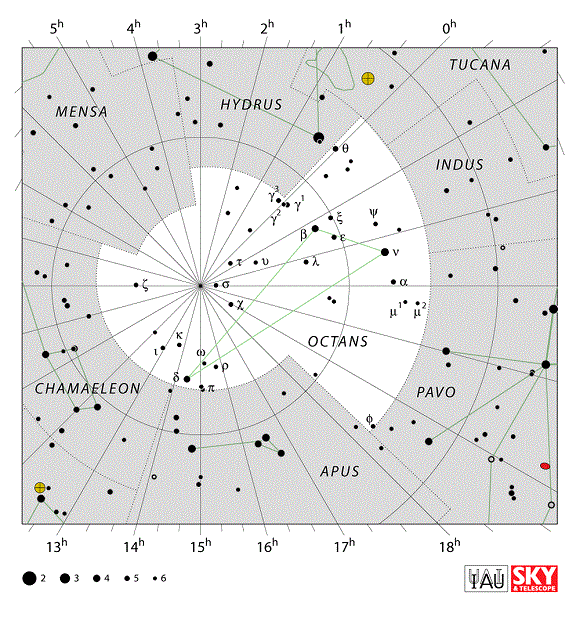
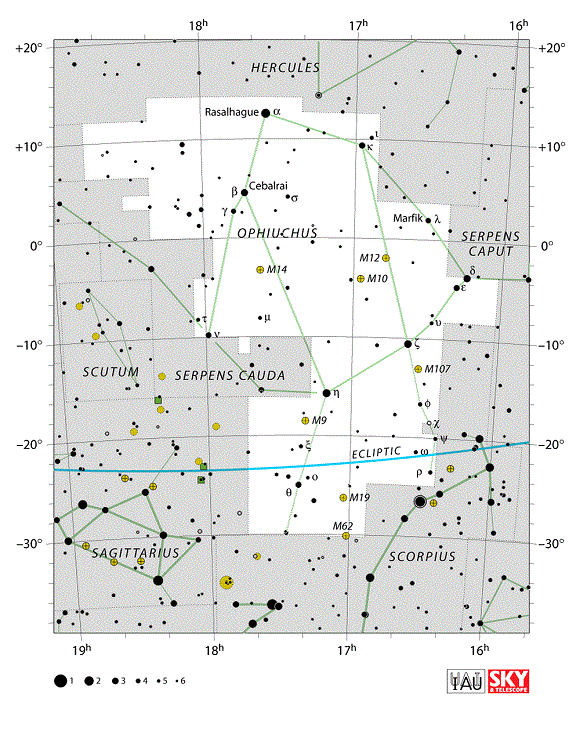
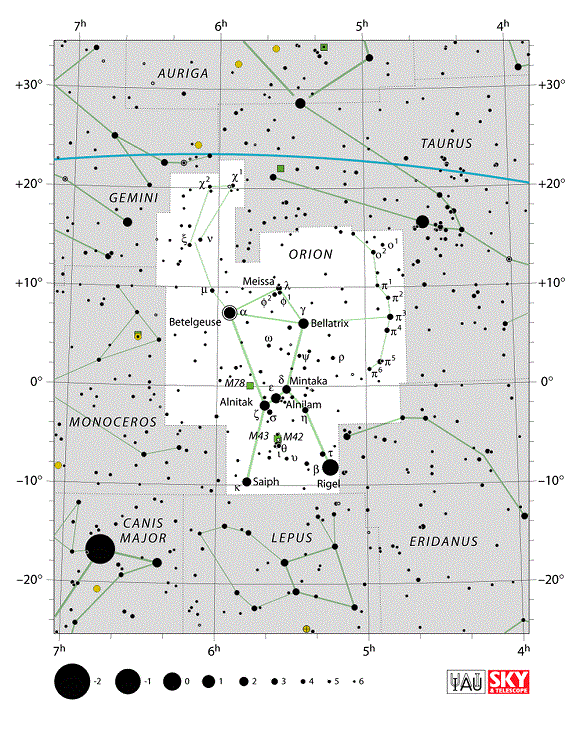
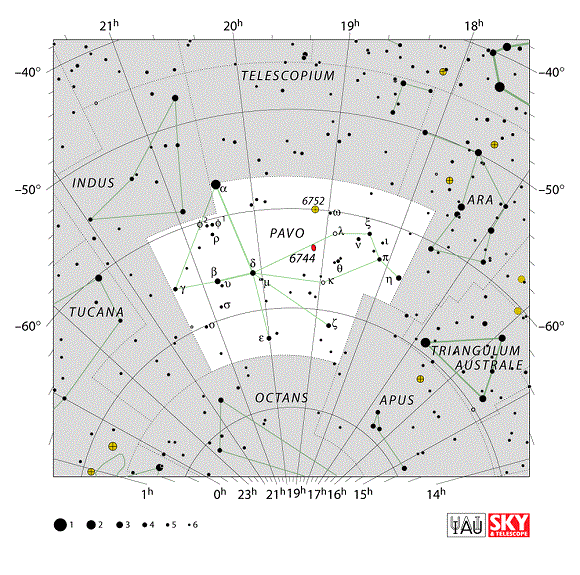
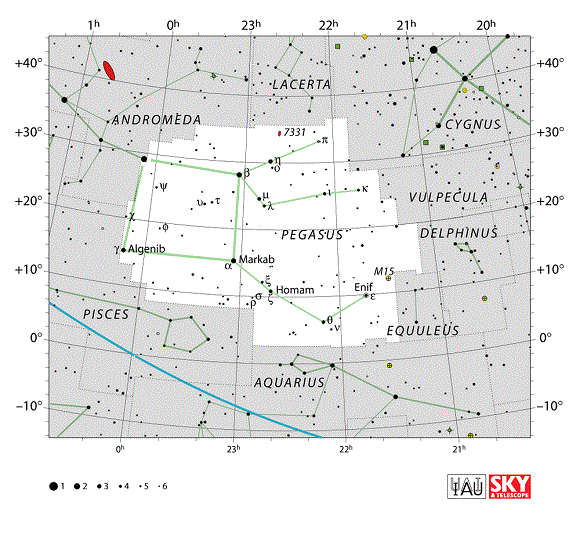
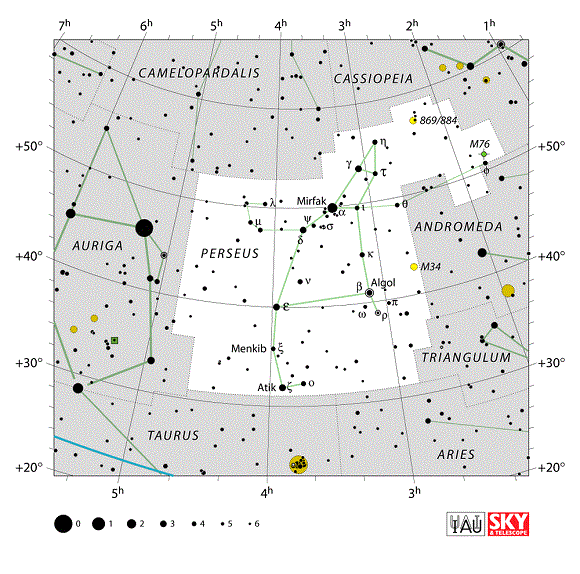
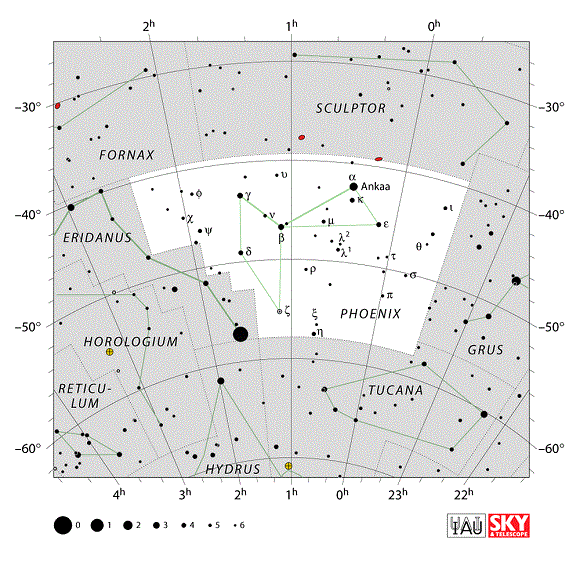
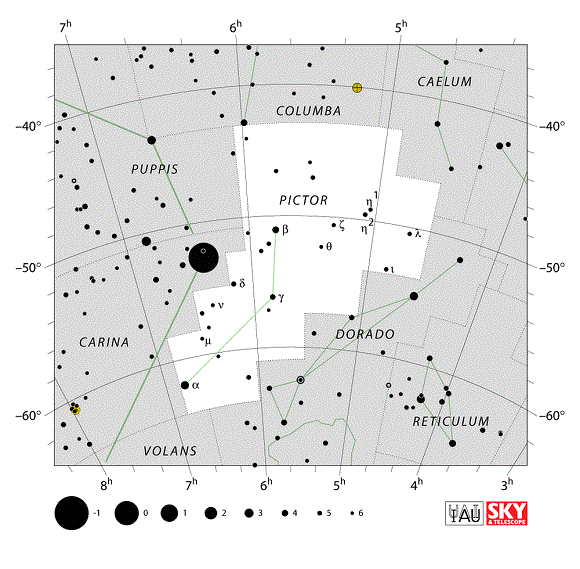
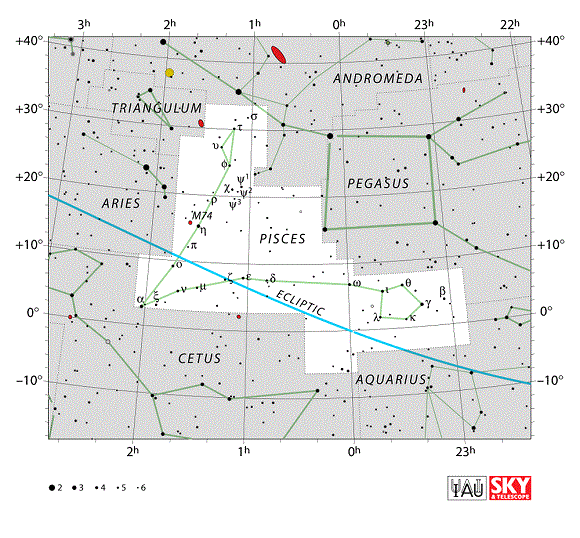
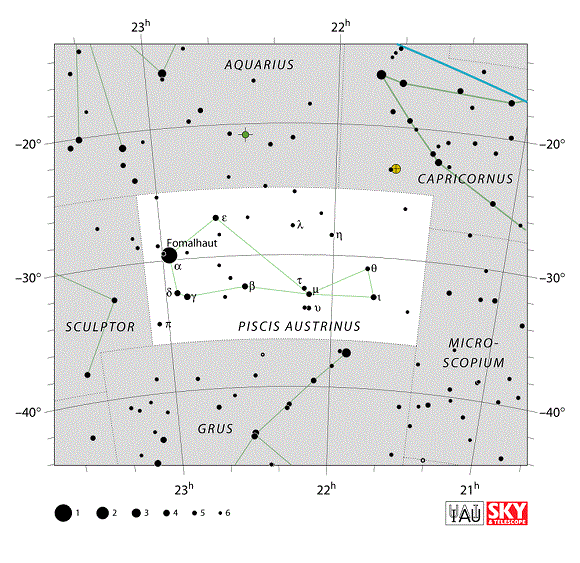
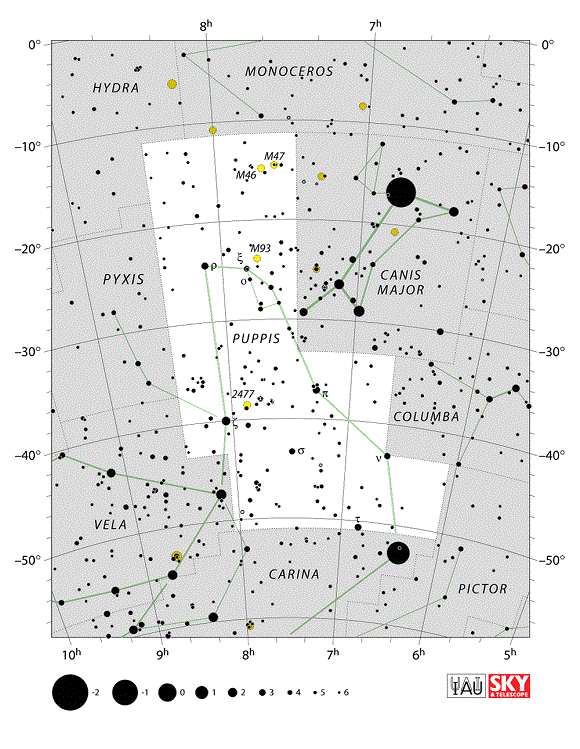
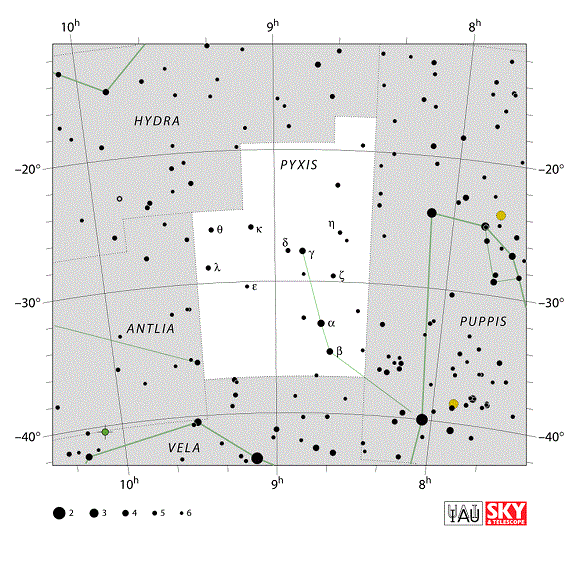
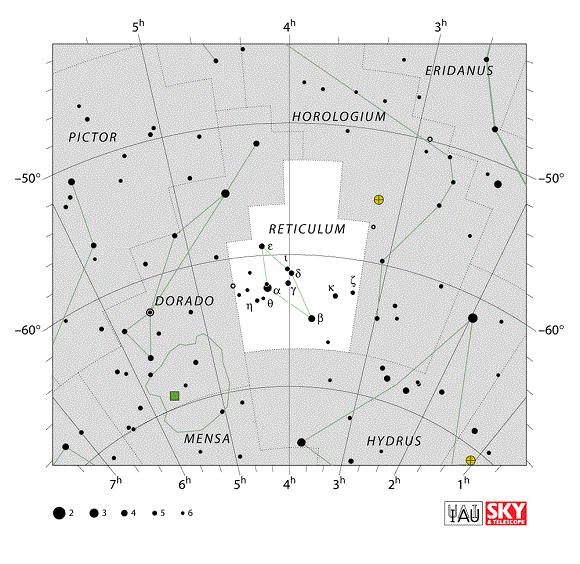
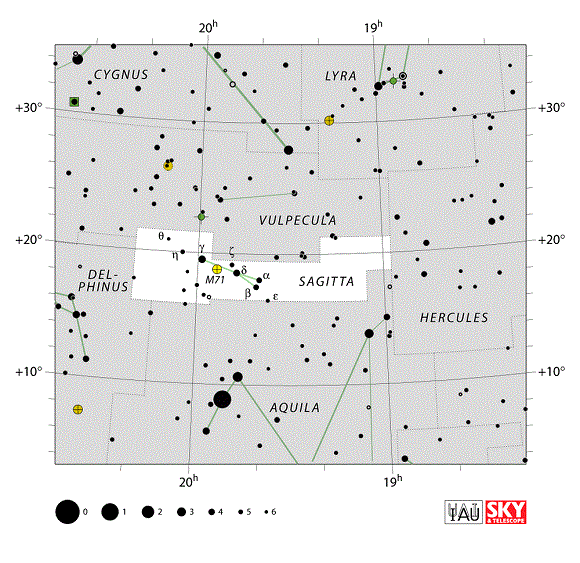
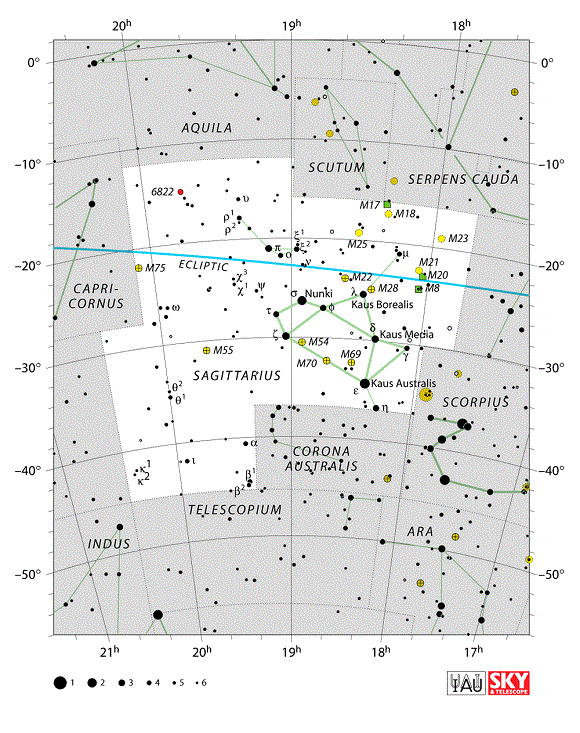
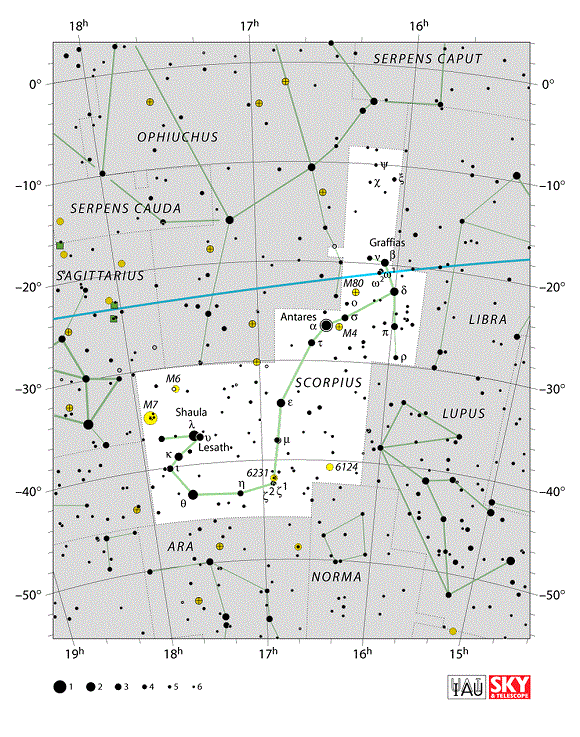
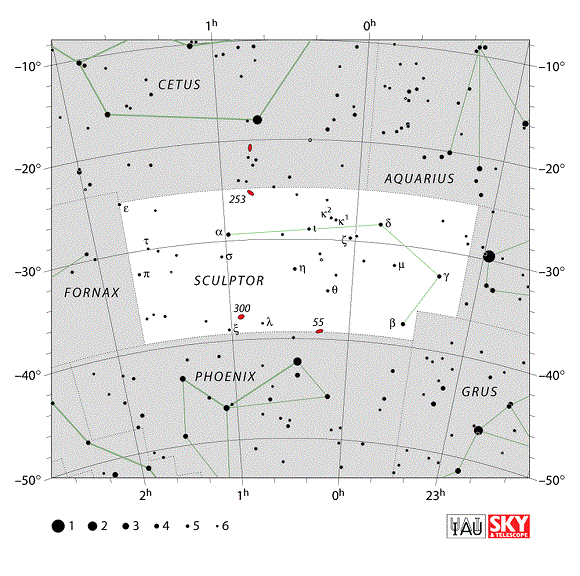
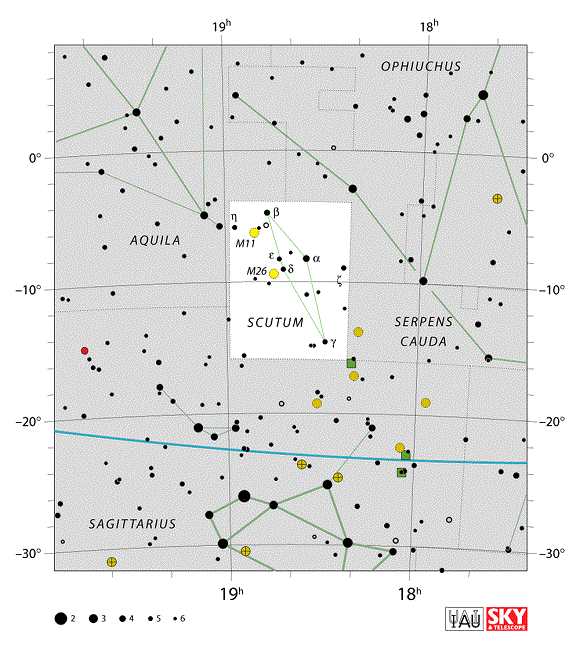
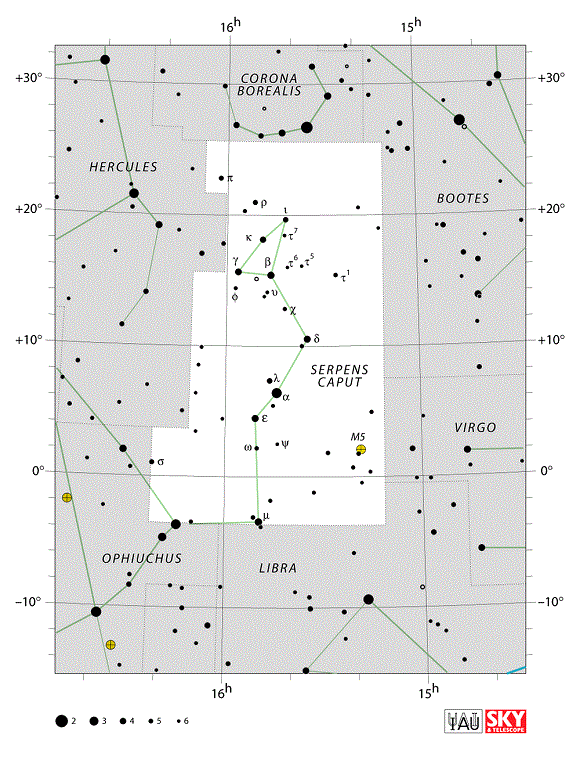
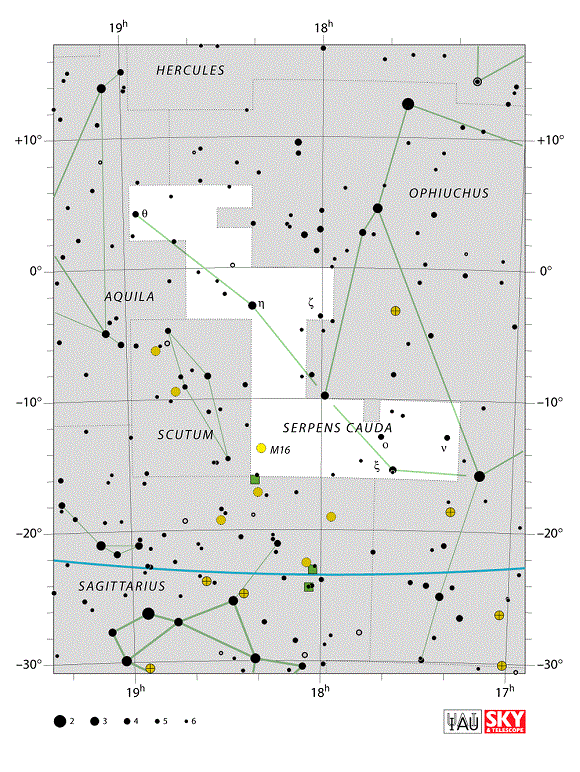
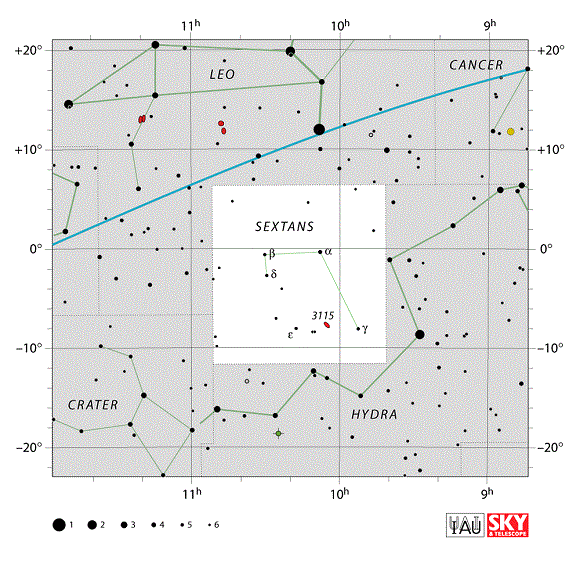
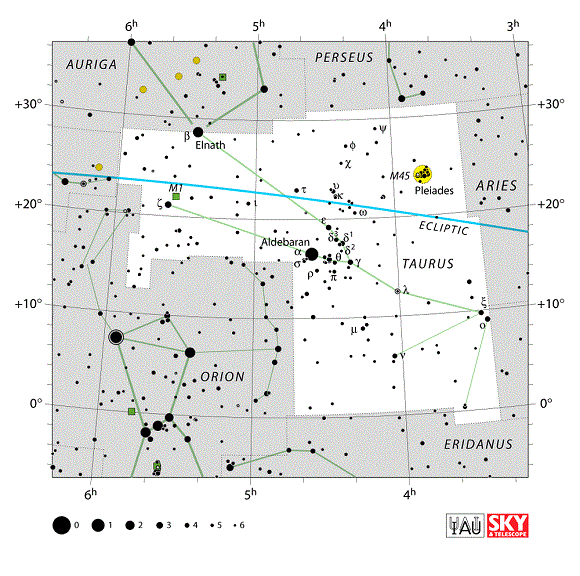
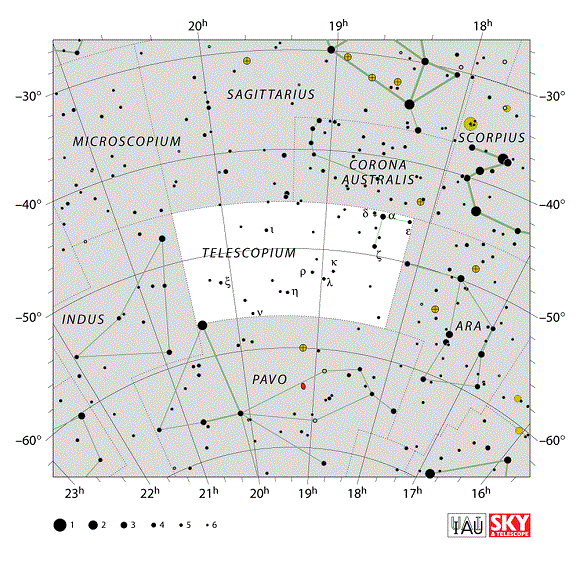
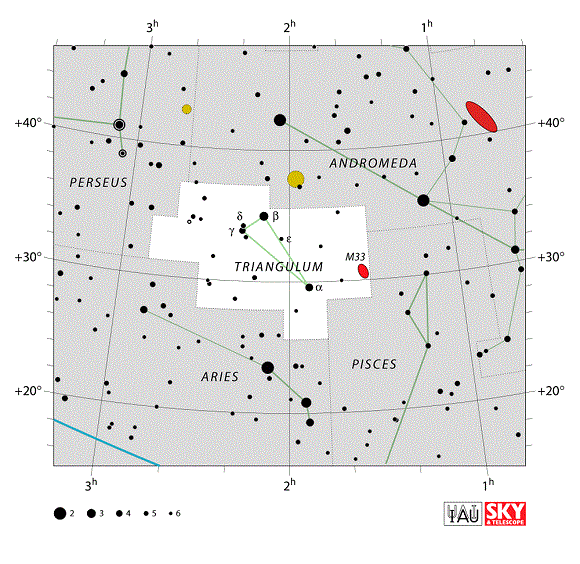
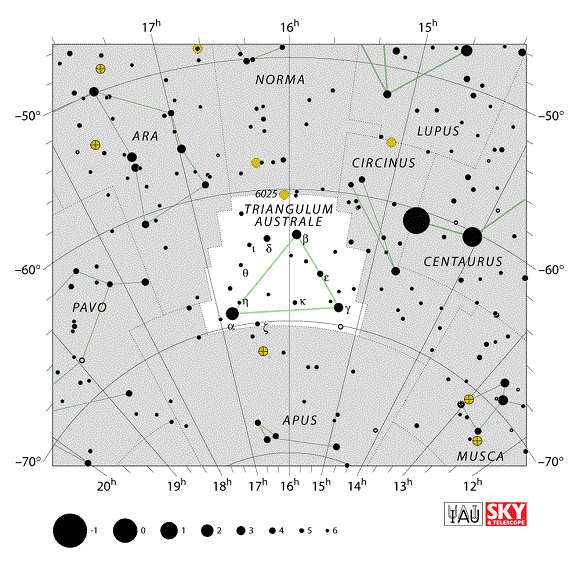
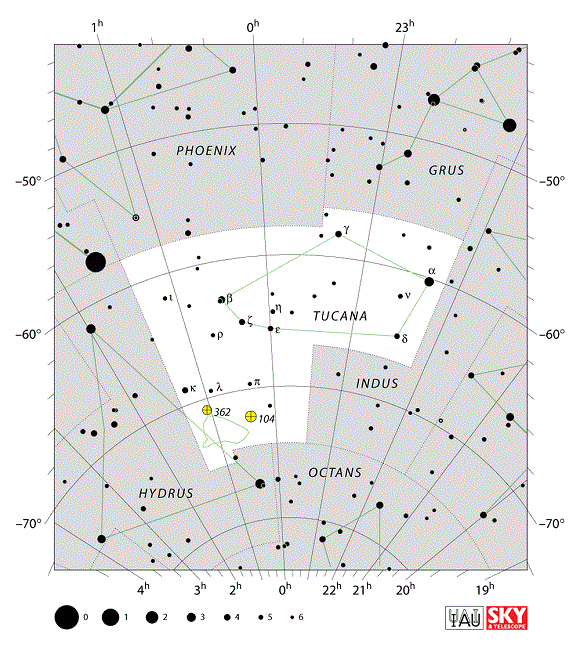
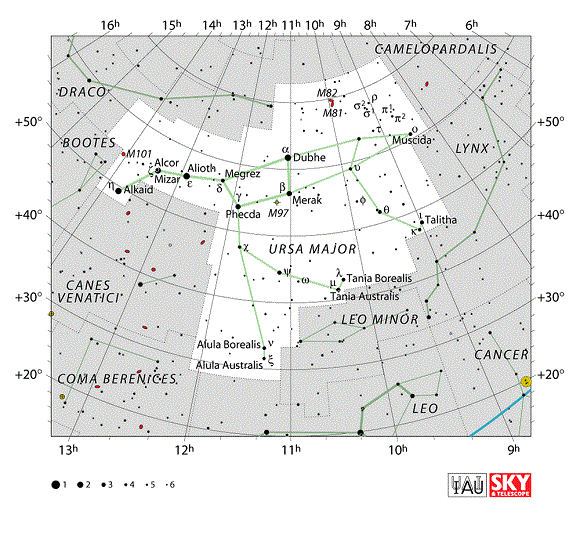
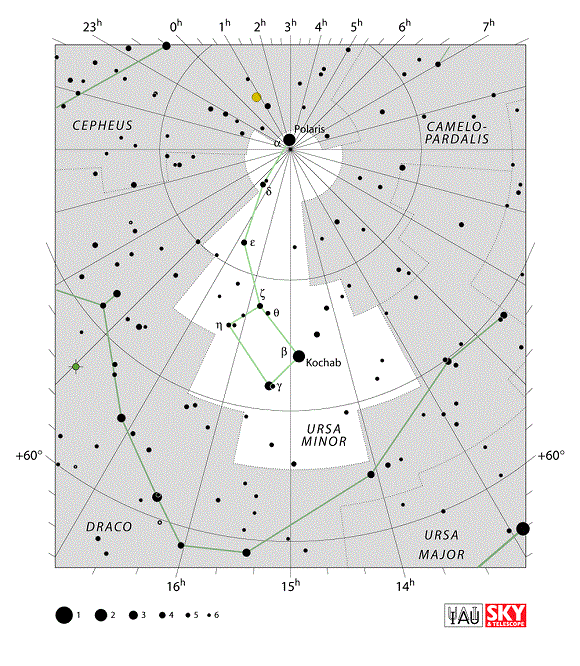
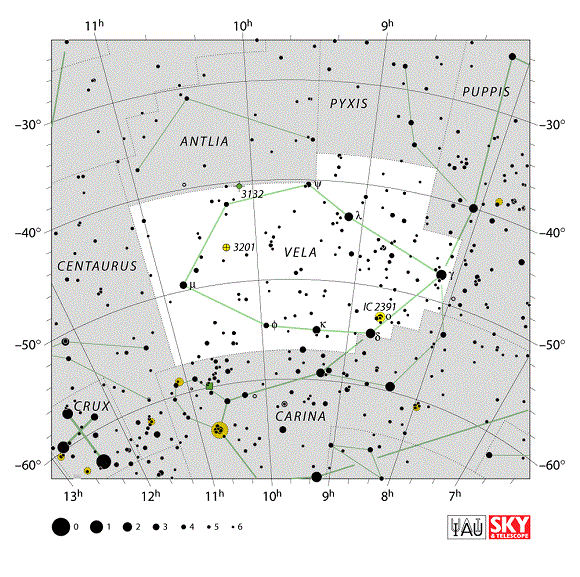
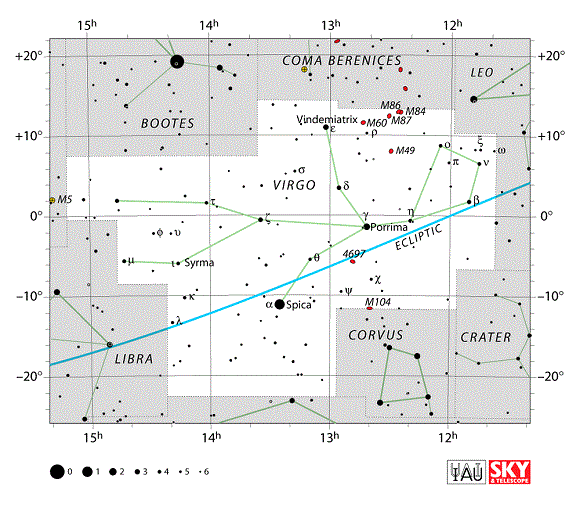
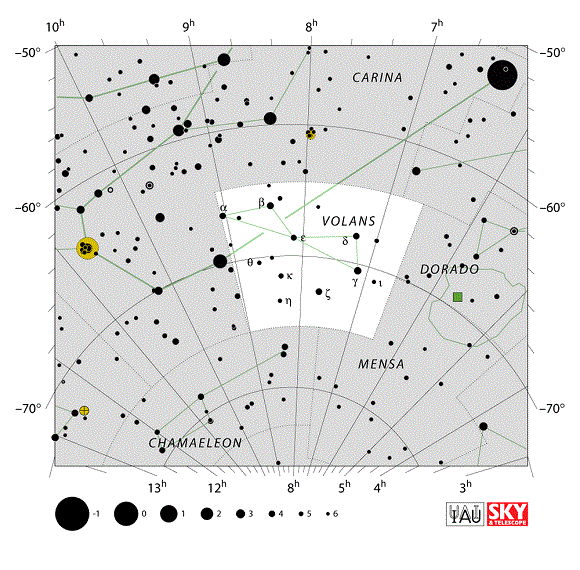
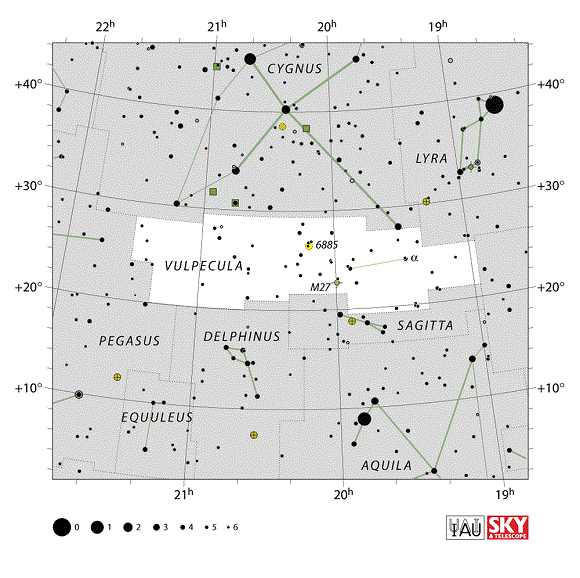
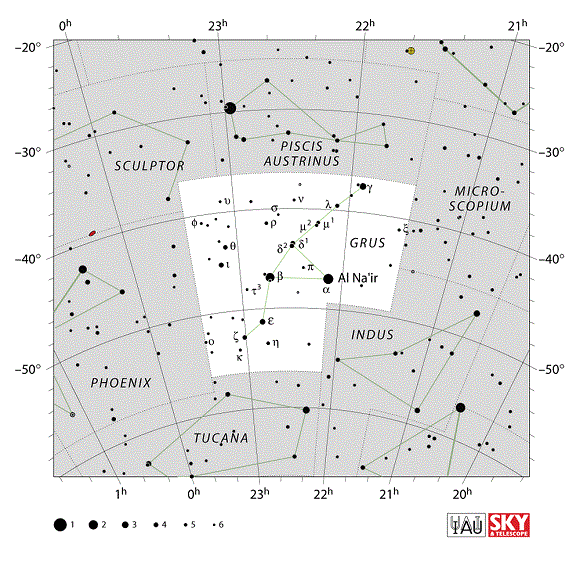
This page shows the IAU/Sky and Telescope constellations. They are not all to the same scale. The 88 official constellations are in 89 charts because Serpens is divided into two parts by Ophiuchus.
Many of the constellations in the northern sky originate from ancient times.
The southern constellations were unknown to the ancients and were defined only in recent centuries. The old southern constellation Argo Navis (the Ship Argo) was enormous and was split up into three others, Carina (the Keel), Puppis (the Stern) and Vela (the Sails); Pyxis (the Compass) later became a separate constellation from Argo’s mast.

An old constellation, no longer used. See top of page.
Norton’s Star Atlas is a very good aid to star-gazing; the first edition was published in 1910 and it is now in its 20th edition. This edition (published by Penguin–Dutton) contains sections on: Position and time, the Heavens above, Position, Date and Time; Practical Astronomy, Observing, Astronomical Instruments, Astronomical Imaging; the Solar System, the Sun, the Moon, the Planets and their Satellites, Mercury, Venus, Mars, Jupiter, Saturn, Uranus, Neptune, and Pluto, Minor Planets, Comets, Meteors, Eclipses, Occultations, Aurorae, Noctilucent Clouds, the Zodiacal Light, Artificial Satellites; Stars – Constellations, Nomenclature, Radiation, Magnitude, Luminosity, Distances, Motions, Physical Parameters, Spectral Classification, Stellar Evolution, Double Stars, Variable Stars, Clusters; Nebulae, Galaxies; the famous Star Charts; and finally an appendix about Units and Notation, Astronomical Constants, Symbols and Abbreviations, and Useful Addresses.
See Wikipedia and the present editor, Ian Redpath’s web site.
There’s an asteroid, 3869 Norton (1981 JE), named after Arthur Philip Norton (1876–1955).