Counterattack at Lampaden
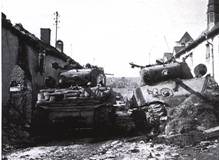 Despite the capture of Trier the Germans were determined to resist. A hastily organized defense was thrown in front of the advancing third army. The 256th Volkgrenadier Division along with a couple of fortress battalions, reinforcement battalions, and rear area units were thrown into the defenses opposite the 94th. The balance of the 2 Gebirgs Divisionen (Mountain) had arrived from their recuperation in Denmark. The 2nd Mountain attacked on the morning of the 4 March against the under strength L Company 3rd Battalion, 301st. A reinforcement group was held in reserve in Zerf. AS the attack progressed and casualties mounted the reinforcements were filtered into the front lines as needed. This proved to be a very difficult way to enter combat. After a few Hours the Mountain troops managed to knock out Company L’s machine guns and Company M’s as well. By morning there was only one 60mm mortar left in the weapons company. At dawn four self-propelled assault guns moved up the hill where the companies had their positions. The GI’s from 3rd platoon withdrew and the tanks roamed the hill firing at will. Two Tank destroyers from the 778th TD battalion engaged the SP guns, but they were not equipped with night sights and had to disengage. The battle raged as the mountain troops followed the SP guns up the hill. The Americans countered with artillery fire and broke up the attack. Meanwhile the 376th Infantry regiment was returned to the 94th’s control after its attachment to the 10th Armored division for 12 days. General Malony immediately sent them into division reserve along with the 5th ranger battalion. The 94th had been fighting on the line non-stop for 51 days and was in need of a rest and refit. Back in Division plans were made for relief of the troops from the bridgehead. The 65th was scheduled to relieve the 26th Infantry in the south and the 26th was scheduled to relieve the 94th on the 6, 7, and 8th of March. The plan was to move the 94th into Luxembourg for a rest the 778th was to remain with the 26th and the 774th TD and 465th AA battalions were accompany the 94th. But the Germans had other plans for the 94th. On March 3rd Generalmajor Hahn, commanding officer of the LXXXII Corps was assigned the 6 th SS Gebirg Division.

6th SS Gebirg División.
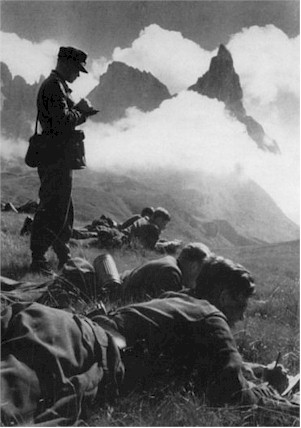
The mountain division was under the command of Gruppenfuhrer Brenner and was composed of two Infantry Regiments, and Artillery regiment, one TD battalion and various support units. The division strength was at approximately 3000 men. These troops had about 3 years experience fighting the Russians in Finland before that country signed a peace treaty with the Russians in September. After the failed “NORWIND” offensive in January the division was refitting in Bitche, Germany. General Hahn planned a coordinated attack on the bridgehead consisting of the remnants of the 256th Volksgrenadier Divisionen and the 2 Gebirgs Divisionen. The plan was to seize the high ground around the Zerf- Pellingen road and to seek out any isolated German units left in that area. The 6th SS was thoroughly trained in infiltration tactics which is based on the idea of approaching as close as possible to an objective under the cover of darkness, capturing isolated posts and moving up heavy weapons and then launching an attack at dawn. However the 94th had already been exposed to these tactics two months before by the 11th Panzer division along the Siegfried Switch. At 2300 hours the 6th SS moved from their assembly area and crossed the Ruwer River towards the American lines. 45 minutes later, the 2nd battalion, 12 SS Mountain Regiment closed up on Company G, 2nd Battalion , 302nd. The Germans infiltrated the outposts and captured them. Once it became apparent to the company they began withdrawing their outposts only to have some of them captured. Artillery rounds soon began crashing in on the area. The Germans slowly advanced up to the lines. Further south the 11th SS Mountain Regiment closed up to Company I just south of Lampaden AS they advanced the company withdrew it’s outposts. Soon it was apparent that the attacking force was of considerable size. By 0130 the Germans were infiltrating all over the lines of the 302nd the password had been compromised and several GI’s found themselves taken prisoner. At 0400 the rest of the Division’s SS assault troops attacked with full force. The Germans managed to push back some American positions but failed on their attacks in other areas. The Assault on the town of Baldringen failed. To the north the 256th VG division had managed to push back the outposts of the 3rd Calvary Group but were repulsed when they came in contact with the concentrated fire of the group.
The fight had gone out of many of the Germans and many willingly surrendered if given the opportunity. General Maloney after receiving reports of “good troops of a mountain division” attacking his positions decided to order forward the 376th from it’s reserve. General Maloney also postponed the scheduled relief until things could get stabilized again. After the 376th joined in the battle the front stabilized and the men were relieved from their positions. Just when it look as if the Americans were going to a rest, events up north took place that would change everything. The First Army's 9th Armored Division managed to capture the Remagen Bridge intact. This made the effort for the Rhine a priority for General Patton, he cancelled all plans for the 94th and sent them off to the Rhine. The race was on.
Chema Rando. Scn. Designer. jmrando@menta.net
Extracted from http://www.angelfire.com/va2/worldwar2family/freddie5.html
(Back Scenario Page)
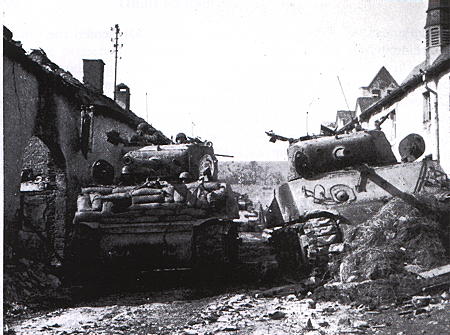 Despite the capture of Trier the Germans were determined to resist. A hastily organized defense was thrown in front of the advancing third army. The 256th Volkgrenadier Division along with a couple of fortress battalions, reinforcement battalions, and rear area units were thrown into the defenses opposite the 94th. The balance of the 2 Gebirgs Divisionen (Mountain) had arrived from their recuperation in Denmark. The 2nd Mountain attacked on the morning of the 4 March against the under strength L Company 3rd Battalion, 301st. A reinforcement group was held in reserve in Zerf. AS the attack progressed and casualties mounted the reinforcements were filtered into the front lines as needed. This proved to be a very difficult way to enter combat. After a few Hours the Mountain troops managed to knock out Company L’s machine guns and Company M’s as well. By morning there was only one 60mm mortar left in the weapons company. At dawn four self-propelled assault guns moved up the hill where the companies had their positions. The GI’s from 3rd platoon withdrew and the tanks roamed the hill firing at will. Two Tank destroyers from the 778th TD battalion engaged the SP guns, but they were not equipped with night sights and had to disengage. The battle raged as the mountain troops followed the SP guns up the hill. The Americans countered with artillery fire and broke up the attack. Meanwhile the 376th Infantry regiment was returned to the 94th’s control after its attachment to the 10th Armored division for 12 days. General Malony immediately sent them into division reserve along with the 5th ranger battalion. The 94th had been fighting on the line non-stop for 51 days and was in need of a rest and refit. Back in Division plans were made for relief of the troops from the bridgehead. The 65th was scheduled to relieve the 26th Infantry in the south and the 26th was scheduled to relieve the 94th on the 6, 7, and 8th of March. The plan was to move the 94th into Luxembourg for a rest the 778th was to remain with the 26th and the 774th TD and 465th AA battalions were accompany the 94th. But the Germans had other plans for the 94th. On March 3rd Generalmajor Hahn, commanding officer of the LXXXII Corps was assigned the 6 th SS Gebirg Division.